

Primary Care Seminar Series: The Future of Primary Care
We are pleased to welcome back this year's Primary Care Seminar Series offering an innovative online educational experience for medical students and other clinical learners who are interested in issues affecting primary care. The seminars are open to all students and faculty at City St George’s, University of London as well as those from other national and international schools.
The seminar series will run every month aiming to cover hot topics driving the future of primary care, whilst inspiring interest and shedding light on diverse career paths, with a specific focus on academic opportunities in primary care.
We look forward to welcoming you to our first seminar of 2025/2026 on the 21st October 2025. You will find registration and meeting links within the individual event pages. Kindly register for each seminar that aligns with your interests. You only need to register once to be invited to all the seminars. If you have previously registered, you will be sent an update soon. The programme can be found below and the seminars will be streamed online and uploaded here following the live seminars.
Upcoming seminars
Upcoming seminars will be added here when available.
Previous seminars
Details of previous seminars will be included here when events have passed.
Bridging the Gap: Trans Health in Primary Care
In this seminar, Dr Max Kelen talked us through his work supporting trans health in the community.
About the speaker

Max (he/him) is a GP working in Southeast London. His passions are women’s health and trans health, and this has led him to his work in developing key services in this area.
Bridge Clinic is an innovative GP hub clinic providing both routine primary care and gender affirming care to trans and non-binary people. It was initially set up to serve South Southwark and has recently opened a new branch serving Lambeth, for which Max is clinical lead.
Continuity at a crossroads: Rediscovering continuity in modern general practice
For this seminar, Dr Nada Khan talked us through her research on continuity of care within general practice.
About the speaker

Dr Nada Khan is a GP in Exeter and an NIHR Academic Clinical Lecturer in General Practice with interests in primary care, continuity of care, and workforce retention. Alongside her clinical work, she leads and collaborates on research exploring how general practice teams can better support patients and clinicians through innovative models of care. She is also Associate Editor of the British Journal of General Practice and leads the weekly BJGP Podcast looking at newly published research in the journal.
Founding and scaling Geeky Medics alongside clinical training
In this seminar, Dr Lewis Potter, founder of Geeky Medics, talked us through his journey developing an online medical education platform and recent innovations in AI-augmented clinical education.
About the speaker
 Dr Lewis Potter BEM is a GP and the founder of Geeky Medics, one of the most widely used medical education platforms in the UK and internationally. He founded the platform in 2010 while still a medical student and has since grown it into a resource supporting over a million learners each month. Recognised for his contributions to medical education, Lewis was awarded the British Empire Medal and continues to combine clinical practice with innovation in digital learning.
Antibiotic use and antibiotic stewardship in primary care for RTIs: What works and what next?
In this seminar, Paul Little, Professor of Primary Care Research at the University of Southampton, talked us through his research on antibiotic stewardship.
About the speaker
 Paul Little has been a GP for 20 years and is Professor of Primary Care Research at the University of Southampton. He is a Fellow of the Academy of Medial Sciences, a National Institute of Health Research (NIHR) Senior Investigator (emeritus), and winner of the Maurice Wood award (for Lifetime Contribution to Primary Care Research). His expertise is in pragmatic trial design and the development of complex interventions. He is perhaps best known for research on prescribing to address one of the major global threats to public health, antibiotic resistance.
Gambling Harms from Primary Care, Public health and Medical Education perspectives
In this seminar, Dr Jenny Blythe who talked us through her journey as a primary care clinician and researcher, specifically regarding her work on gambling harms.
About the speaker
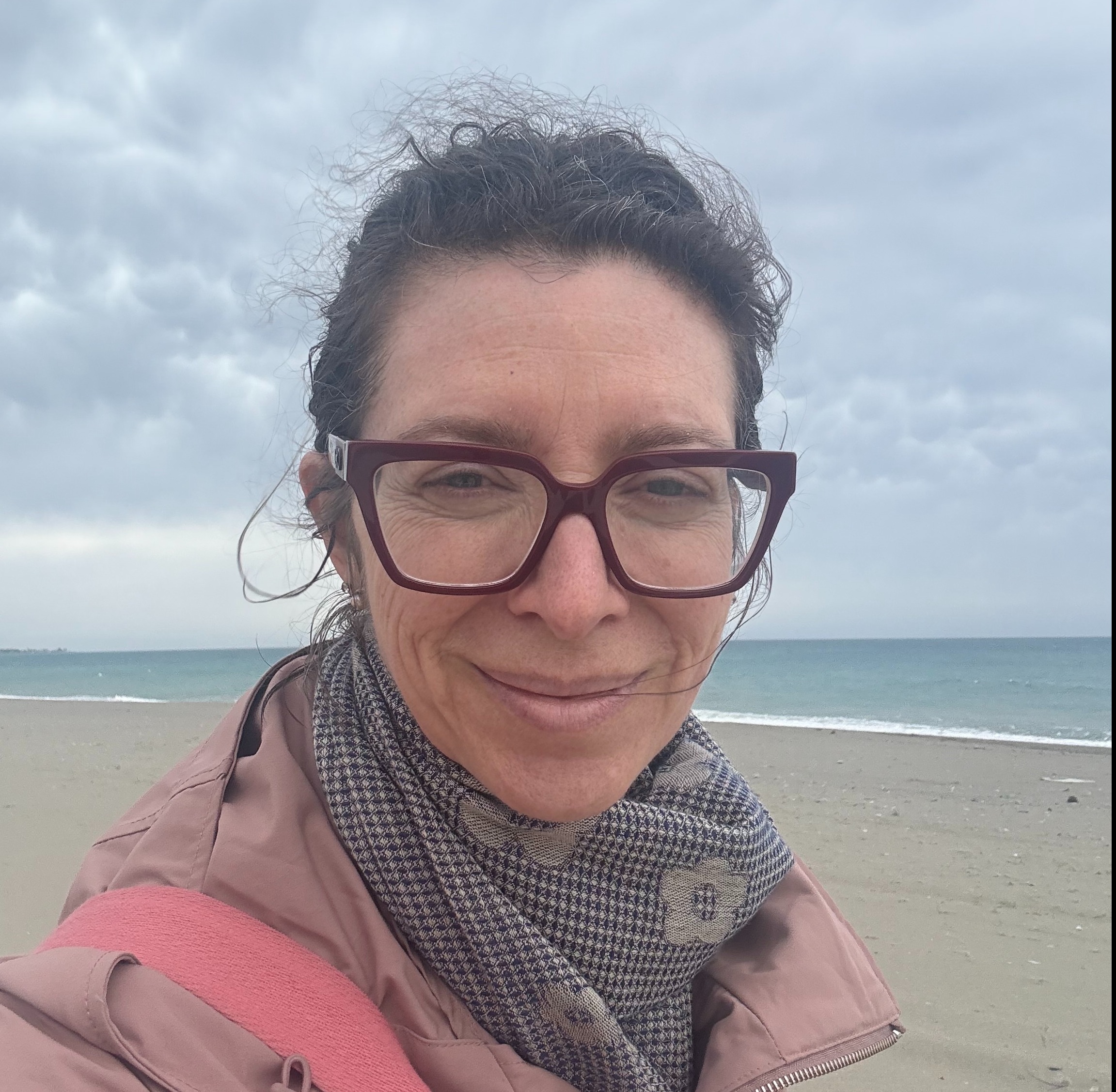
Dr Blythe is a north-east London GP and a senior clinical lecturer at Bart’s and The London medical School, Queen Mary University of London. She holds a masters and a PhD in public health. Her thesis was titled “Gambling with the health of Londoners-levers and barriers to addressing gambling harms using public health approaches in local government”. Her research interests include developing the health equity and generalism undergraduate medical curriculum.
The seminar series will run every month aiming to cover hot topics driving the future of primary care, whilst inspiring interest and shedding light on diverse career paths, with a specific focus on academic opportunities in primary care.
Revolutionising Cancer Diagnosis
We have been joined by Willie Hamilton, professor of primary care diagnostics at University of Exeter, talking us through his journey as a primary care researcher and his work on improving early cancer diagnosis.
About the speaker

We were joined by Willie Hamilton, professor of primary care diagnostics at University of Exeter, talking us through his journey as a primary care researcher and his work on improving early cancer diagnosis.
Willie Hamilton, CBE, MD, FRCP, FRCGP, is professor of primary care diagnostics at University of Exeter.
The major part of his work is in cancer diagnostics in the symptomatic patient – the one sitting in the GP’s consulting room. He leads the DISCOVERY team, with staffing varying from 10-18, plus 4 PhD students, all supported by grant awards. These grants total over £75m, including CRUK’s first Catalyst award.
He has published approaching 400 papers, including the 2010 and 2015 overall Research Paper of the Year for studies on ovarian cancer and on the public appetite for cancer testing.
He also was the cancer category winner in 2013, 2014, 2016 and 2017. He was clinical lead on the UK’s NICE guidance on suspected cancer, NG12, published in 2015. This governs over £1bn of annual NHS spending.
He was awarded a CBE in the 2019 New Years’ Honours List for services to improving early cancer diagnosis.
Neurodiversity Uncovered
In this seminar Professor Heidi Phillips talked us through her journey to becoming a Neurodiversity specialist GP, supporting neurodiverse patients in primary care and the importance of recognising neurodivergence in primary care.
About the speaker

Dr Heidi Phillips is the RCGP Clinical Advisor for Neurodiversity and Associate Professor for Primary Care at Swansea University Medical School.
She is founder and Chair of the British Association for Neurodiversity and is on the Clinical Advisory group to Wales Government for Neurodiversity.
In 2019 Dr Phillips received the BMA Cymru Wales/BMJ Teaching and Learning Innovation Award for her work on widening access, as well as being named Clinical Teacher of the Year for her work supporting medical students and doctors in training.
Improving the Primary Care Response to Domestic Abuse
About the speaker

Gene qualified at Guy's Hospital medical school, following a BSc in Biology and Philosophy from the University of Sussex. He trained as a GP and was a principal in Hackney for 21 years until moving to Bristol. His research started with the health and healthcare of Traveller Gypsies, followed by studies on the development and implementation of clinical guidelines, management of chronic respiratory and cardiovascular conditions in primary care and the health impact of domestic violence. Current research focuses on healthcare responses to domestic violence globally.
Gene’s methodological expertise is in randomised controlled trials and systematic reviews, collaborating with epidemiologists and social scientists on cohort and qualitative studies respectively. He has chaired four NICE guideline development groups and led the WHO intimate partner violence guidelines. In 2017 was awarded an OBE for services to healthcare and victims of domestic abuse.
Is There More to Primary Care Than Following Rules?
Hear from Dr Rupal Shah, a GP and Associate Dean with NHSE-WTE. She is co-author of 'Fighting for the Soul of General Practice - the algorithm will see you now'.

About the event
We are a group of GP academics and medical students at SGUL. The Primary Care Seminars are an initiative designed to showcase primary care (especially academic primary care) to medical students and other clinical students. Students and staff across institutions are welcome to attend.
We have chosen topical subject areas which are of interest to students and linked to the theme of The Future of Primary Care. In this seminar, Dr Shah will talk about the importance of relationships and relational care - and what human clinicians need to bring to a context of standardised, protocol driven care so that the algorithm doesn't become the boss.
Each session will be an hour long, delivered online via Teams and hosted by one of the primary care education team at SGUL.
Primary Care in Prisons
We have been joined by Sunday Times Bestselling author Dr Amanda Brown and Dr Saeed Chaudhary who specialises in healthcare services for prisons and young offender institutes in the UK.
About the speakers

Dr Amanda Brown was a regular GP with a comfortable, suburban practice, before she made the move to working with prisoners. She has worked in a teenage detention centre, Wormwood Scrubs, and Bronzefield, the largest women-only prison in Europe. Amanda is also a Sunday Times best-selling author and has written three books about her time as a prison doctor.

Dr Saeed Chaudhary specialises in healthcare services for prisons and young offender institutes in the UK. With a wealth of experience in this field spanning eight years, he possesses an in-depth understanding of the health needs of young offenders, enabling him to deliver personalised care effectively. Dr Chaudhary holds various qualifications, including a BSc, MBBS, MRCGP, and PGC in Medical Education, which complement his hands-on experience and leadership abilities. His dedication to providing high-quality healthcare and promoting health education among offenders highlights his commitment to enhancing their well-being and aiding in their rehabilitation.
Adolescent Wellbeing
We were joined by Dr Stephanie Lamb, General Practitioner of RCGP Adolescent Health Group at Herne Hill Group Practice, and Clinical Director of The Well Centre London.
About Dr Stephanie Lamb

Stephanie is a GP partner in a group practice covering a diverse inner city population of 15,000 in Lambeth, South London and founder and Clinical Director of the Well Centre, a young person’s integrated health hub with Primary Care, Health and Wellbeing Link workers and CAMHS.
She has a special interest in developing accessible, young people friendly services in Primary Care and developing targeted services to more vulnerable groups of young people.
She is Chair of the RCGP Adolescent Health Group.
Digital Innovation
Part of our Primary Care Seminar Series, this event covered the exciting topic of digital innovation in primary care.
The seminar was delivered by Dr Viral Thakerar, Placement Lead at Imperial College London and Clinical Lead for NWL ICS Digital.
About Dr Viral Thakerar

Dr Viral Thakerar describes himself as "a GP liberally spliced with geek DNA". He is also a Placement Lead at Imperial College London for year 1 and year 2 students.
His particular interest includes digital health (especially artificial intelligence) and technology enhanced learning (especially extended reality).
Migrant Health
Part of our Primary Care Seminar Series, this event covers the vital role of primary care health workers in supporting migrant health.
We will be joined by St George’s NIHR In-Practice GP Fellows, Dr Mohammad Razai and Dr Felicity Knights.
About Dr Felicity Knights

Felicity is an NIHR In-Practice Fellow in General Practice, with a background in global health, and experience in leadership, education and training, and health research.
Felicity's current research focuses upon approaches to providing holistic initial health assessments to newly-arrived migrant patients.
She has worked within St George’s Migrant Health Research Group, the Institute of Infection and Immunity, since 2019.
About Dr Mohammad Razai

Dr Mohammad S Razai is a general practitioner, interdisciplinary researcher, and educator.
He holds an NIHR In-Practice Fellowship at St George’s University of London.
His research primarily focuses on health inequalities, migrant health, vaccination, and infectious diseases.
Additionally, Dr Razai has a keen interest in medical ethics and humanities.
Sustainability
Part of our Primary Care Seminar Series, this event covers the important topic of sustainability in primary care.
We will be joined by Dr Tamsin Ellis, Director and Co-chair of Greener Practice.
About Dr Tamsin Ellis

Dr Tamsin Ellis is a salaried GP working in Islington.
She is Co-chair and Director of Greener Practice, the UK's primary care sustainability network and an Associate at the Centre for Sustainable Healthcare where she helped develop the sustainable primary care course.
Health Equity
Part of our Primary Care Seminar Series, this event covered the important topic of health equity in primary care.
We were joined by Dr Carey Lunan, the current Chair of the Scottish Deep End project.
About Dr Carey Lunan

Carey is a GP by background who has worked in areas of high socio-economic disadvantage throughout her career. She is immediate past-Chair of the Royal College of General Practitioners in Scotland and the current Chair of the Scottish Deep End project, comprising clinical and academic GPs working in the 100 most deprived practices in Scotland.
She is also a Senior Medical Advisor to the Scottish Government on Health Inequalities and Mental Health. A passionate believer in the founding principles of the NHS, she champions the potential role of general practice teams in mitigating health inequalities, and believes that the NHS needs to be at its best where it is needed the most – or health inequalities will continue to worsen.