

Understanding Infection and Immunity
A deeper understanding of pathogen biology and immune system function is underpinning the development of new tools to diagnose, prevent and treat infectious disease.
A deeper understanding of pathogen biology and immune system function is underpinning the development of new tools to diagnose, prevent and treat infectious disease.
Our interests encompass many clinically important human pathogens:
- bacteria, including Mycobacterium tuberculosis, streptococci, MRSA, and Clostridium difficile
- viruses, including HIV, cytomegalovirus, rabies, paramyxoviruses and influenza virus
- fungi, including Cryptococcus
- parasites, including the malaria parasite and intestinal helminths.
Our research on these organisms, and on host responses to them, falls into five themes:
- pathogen biology and genomics
- diagnostics
- immunology and pathophysiology
- therapeutics and vaccinology
- clinical and tropical infection.
Understanding pathogen biology
Building on an internationally leading bacterial microarray resource, we can now draw upon a whole-genome sequencing and bioinformatics facility to support research on bacterial pathogens worldwide.
Characterisation of pathogens based on these approaches is being applied to disease outbreaks, to identify disease epidemiology transmission networks and to track the emergence and spread of antimicrobial resistance.
A better understanding of mechanisms of drug resistance also feeds into resistance-profiling tools and supports the development of new strategies to combat resistance.
Metagenomic profiling is providing new insight into the natural microflora of the human body and how this is altered in disease, increasing susceptibility to infection.
Host responses and immune system function
We are studying immune responses at mucosal surfaces, particularly that of lung epithelium. We are interested in the innate immune responses used by epithelial cells to resist viral invasion and bacterial colonisation. These studies offer insight into susceptibility to infection in a range of pathological conditions.
We are pursuing a long-term interest in major histocompatibility complex (MHC) disease associations and are characterising novel innate immune receptors. We are also developing methods to study zoonotic viral infections in their natural hosts.
Our interest in immunity extends to allergic and inflammatory conditions, as well as cancer, in particular understanding the molecular and cellular basis of disease. This is feeding into the design of new drugs for asthma and cancer immunotherapy.
Research Projects
Disease Risk Factors and Interventions' Effectiveness (Dr Irina Chis Ster)
Dr Irina Chis Ster uses a wide range of statistical methodologies applied to clinical and epidemiological data aiming at understanding the impact of harmful or protective exposures on the occurrence of diseases – this leads to the development of effective interventional strategies and targeted measures to prevent, control or eradicate the disease in the population.
Research
Her scientific interests span a variety of observational, epidemiological and clinical data of different complexities, including those featuring spatio-temporal components or hierarchical structure. Methodologies associated with deriving infectious diseases prevalence from serological data in communities where similar infections coexist (eg dengue and chikungunya) are also among her research priorities.
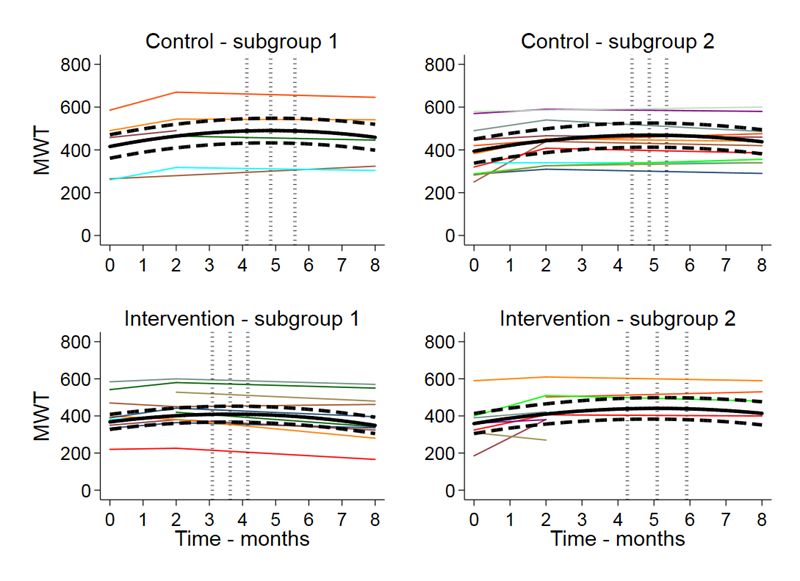
She leads all the statistical aspects of a Latin America asthma NIHR grant from statistical design to analyses planning. The two main studies - one observational (Ecuador) and a cluster randomized clinical trial (Brazil) – investigate the effectiveness of a low cost intervention on the recurrence of the attacks in children/adolescents and adult populations, respectively. The resulting rich data would provide excellent opportunities to formalize a statistical framework for methodologies which address recurrent events in a variety of respiratory conditions.
She also investigates potential statistical associations between antimicrobial therapy and the risk of emerging resistance based on retrospectively collected data from intensive care units.
Her research also addresses methodologies dealing with diagnosis in sudden death population along clinical cardiovascular experts and scientists.
Key publications
- Irina Chis Ster. Inference for serological surveys investigating past exposures to infections resulting in long lasting immunity - an approach using finite mixture models with concomitant information. Journal of Applied Statistics –Volume 39, Issue 11, pages 2523-2542 (2012)
- Irina Chis Ster. Peter Dodd and Neil M Ferguson, Within-farm transmission dynamics of foot and mouth disease as revealed by the 2001 epidemic in Great Britain. Epidemics, 4:158-169 DOI (2012)
- Irina Chis Ster and Neil M Ferguson, Transmission parameters of the 2001 foot and mouth epidemic in Great Britain, PLoS ONE 2 (6) (2007)
Understanding Microglial Physiology (Dr Claudia Eder)
Dementia is one of the leading causes of death in the UK and worldwide. Mechanisms underlying the development of dementia and other neurological diseases are not fully understood. However, it has become obvious that microglia-mediated neuroinflammation plays a major role in a wide variety of neurological diseases, including Alzheimer’s disease and Parkinson’s disease. It has been shown that activated microglia can have beneficial and detrimental effects in brain pathology.
Dr Claudia Eder has identified microglial ion channels which are considered as potential drug targets in neurological diseases. Dr Eder’s research focuses on understanding physiological mechanisms underlying microglial activation. Her research group has identified ion channels, ion transporters and intracellular signalling pathways that are involved in microglial shape changes, production of pro-inflammatory cytokines and reactive oxygen species, cell migration and others. Some of these microglial ion channels are now considered as potential therapeutic drug targets for neurological diseases.
Dr Eder’s studies mainly use patch-clamping, fluorescence imaging and cell biology techniques. Her current research is aimed at understanding interactions between microglial cells, astrocytes and neurons in health and disease. She has a special interest in developing strategies for selectively reducing cytotoxic effects of activated microglia following acute brain injury or infection and in neurological diseases which are accompanied by chronic neuroinflammation.
Publications
- Eder C.Ion channels in monocytes and microglia/brain macrophages: promising therapeutic targets for neurological diseases. J Neuroimmunol. 2010 Jul 27;224(1-2):51-5. doi: 10.1016/j.jneuroim.2010.05.008.
- Dale E, Staal RG, Eder C, Möller T.KCa 3.1-a microglial target ready for drug repurposing? Glia. 2016 Oct;64(10):1733-41. doi: 10.1002/glia.22992.
Targeting The Root Causes of Allergy (Professor Clive Robinson)
A long-standing puzzle is why some substances – usually proteins – trigger allergic diseases, while others do not. Understanding the bioactivity of allergens in their host sources can shed light on why they are allergenic in humans, and why some are more important than others as triggers of disease.
Professor Clive Robinson is studying the molecular basis of allergenicity and using this knowledge to design innovative drugs for the treatment of allergic asthma, perennial rhinitis and atopic dermatitis.
The Robinson laboratory primarily studies house dust mites (HDM) as allergy triggers. HDM are globally significant causes of allergic diseases and they have a diverse repertoire of allergens, which enables their interactions to be investigated. There is particular interest in group 1 allergens of HDM because they have a key role as allergy initiators – that is to say they promote allergy to themselves and allergens from unrelated sources. The group 1 allergens are powerful digestive enzymes in HDM, but when in contact with humans, this enzyme activity initiates a cascade of innate immune responses which cause and then maintain allergy.
Investigation of the molecular basis of allergenicity has enabled Professor Robinson’s team to translate their discoveries into an unprecedented small-molecule approach which targets the root cause triggers of allergic disease. With multi-million pound support from the Wellcome Trust Seeding Drug Discovery Initiative, they have designed clinically developable inhibitors of key initiator allergens. This work has resulted in more than 50 composition of matter patents and a number of medical use patents. It is hoped that progression of these new drugs through clinical development will eventually improve cost-effective treatment options for the millions of people who live with allergic disease.
Publications and multimedia
- Zhang J, Chen J, Mangat SC, Perera Baruhupolage C, Garrod DR, Robinson C. Pathways of airway oxidant formation by house dust mite allergens and viral RNA converge through myosin motors, pannexons and Toll-like receptor 4. Immunity, Inflammation & Disease 2018; 6: 276-296.
- Zhang J, Chen J, Newton GK, Perrior TR, Robinson C.Allergen delivery inhibitors: A rationale for targeting sentinel innate immune signaling of group 1 house dust mite allergens through structure-based protease inhibitor design. Mol Pharmacol 2018; 94: 1007-1030.
- Allergen Delivery Inhibitors: A potential end to asthma? | A film by the Wellcome Trust
Re-purposing Drugs To Identify New Treatments For Cancer (Professor Dalgleish)
Professor Dalgleish is a specialist in identifying the properties of existing treatments and repurposing them for new clinical applications.
He is known for his work on enhancing the therapeutic properties of thalidomide to develop two new drugs, Lenalidomide and Pomalidomide, which are now both used for the treatment of multiple myeloma and lymphoma. For this pioneering work, Professor Dalgleish was awarded the Lederberg Prize by Celgene.
In recent work, Professor Dalgleish has demonstrated that a vaccine originally developed for TB (IMM-101) greatly enhances the immune response to cancers, either when given alone or in combination with chemotherapy or other immunotherapies. Unlike most other treatment, this method has no systemic toxicity.
Professor Dalgleish has reported that patients who do not respond to immunotherapy have high levels of inflammatory proteins. Combining anti-inflammatory agents with immunotherapy should enhance response rates. This may explain why Naltrexone, which he has reported as inhibiting the TLR-9 inflammatory marker, appears to benefit cancer patients.
Together with Dr Wai Liu, he has been exploring the potential of cannabinoid derivatives to treat cancer. They appear to enhance the beneficial effects of radiotherapy and chemotherapy without any additional toxicity.
Professor Dalgleish has been made a Visiting Professor at the Earle Chiles Research Institute, Portland, U.S.A. (Director: Bernard Fox).
Presentations and publications
- Dalgleish AG. The Third Institute for Cancer Vaccines and Immunotherapy (ICVI) symposium on immunotherapy: May 12-13, 2017, Royal Society, London, UK. Cancer Immunol Immunother. 2018 Mar 2. doi: 10.1007/s00262-018-2137-9. PMID:29500634
- Fusi A, Dalgleish A. The importance for immunoregulation for long-term cancer control. Future Oncol. 2017 Aug;13(18):1619-1632. doi: 10.2217/fon-2017-0085. Epub 2017 Aug 4. PMID:28776411
- Dalgleish AG, Stebbing J, Adamson DJ, Arif SS, Bidoli P, Chang D, Cheeseman S, Diaz-Beveridge R, Fernandez-Martos C, Glynne-Jones R, Granetto C, Massuti B, McAdam K, McDermott R, Martín AJ, Papamichael D, Pazo-Cid R, Vieitez JM, Zaniboni A, Carroll KJ, Wagle S, Gaya A, Mudan SS. Randomised, open-label, phase II study of gemcitabine with and without IMM-101 for advanced pancreatic cancer. Br J Cancer. 2016 Oct 11. doi: 10.1038/bjc.2016.342. No abstract available. PMID:27727233
- Cant R, Dalgleish AG, Allen RL. Naltrexone Inhibits IL-6 and TNFα Production in Human Immune Cell Subsets following Stimulation with Ligands for Intracellular Toll-Like Receptors. Front Immunol. 2017 Jul 11;8:809. doi: 10.3389/fimmu.2017.00809. PMID:28744288
- Leeman H, Kaminska E, Green D, Bodman-Smith M, Gravett A, Bodman-Smith K, Copier J, Coulton G, Fusi A, Dalgleish AG. Serum Apolipoprotein E and Other Inflammatory Markers Can Identify Non-Responding Patients to a Dendritic Cell Vaccine. Transl Oncol. 2018 Dec 7;12(3):397-403. doi:10.1016/j.tranon.2018.11.002. [Epub ahead of print]PMID:30530187
Transporters As Targets (Dr Henry Staines)
The work of Dr Henry Staines on transporters is providing new insight into the biology of the malarial parasite, Plasmodium falciparum, and identifying possible new targets for drug development.
Transporters move small substances across cell membranes, performing critical functions that often make them attractive targets for new drugs. With national and international collaborators, Dr Staines has characterised two P. falciparum transporters, the iron transporter, PfVIT, and the calcium transporter, PfCAX. Iron and calcium are both essential to the malarial parasite’s survival but can also be toxic at high levels.
Using rodent models, PfVIT and PfCAX were shown to play critical roles in the parasite in stopping the toxic effects of too much iron and calcium, respectively. PfVIT is particularly important to the parasite during liver cell infection, while PfCAX is essential when the parasite residues within its mosquito vector.
Other recent studies have revealed how increased glucose uptake by mobilisation of host intracellular glucose transporters (GLUT1) to the surface of liver cells and arginine uptake in liver cells by host arginine transporters are both crucial aspects of parasite infection.
Publications
- Slavic K et al. A vacuolar iron-transporter homologue acts as a detoxifier in Plasmodium. Nat Commun. 2016;7:10403. doi: 10.1038/ncomms10403.
- Guttery D et al. The Plasmodium berghei Ca2+/H+ exchanger, PbCAX, is essential for tolerance to environmental Ca2+ during sexual development. PLoS Pathog. 2013;9:e1003191. doi: 10.1371/journal.ppat.1003191.
- Meireles P et al. GLUT1-mediated glucose uptake plays a crucial role during Plasmodium hepatic infection. Cell Microbiol. 2017;19: e12646. doi: 10.1111/cmi.12646.
- Meireles P et al. Uptake and metabolism of arginine impact Plasmodium development in the liver. Sci Rep. 2017;7:4072. doi: 10.1038/s41598-017-04424-y.
Mighty Peptides Against Superbugs (Dr Kai Hilpert)
Dr Kai Hilpert is developing antimicrobial peptides into drugs against multidrug-resistant bacteria.
Antibiotics are an important pillar on which many branches of modern medicine rest. Resistance and multi-drug resistance undermine this pillar and strategies are needed to develop new treatments for bacterial infections. In this ambitious project we are addressing the development of new antimicrobial drugs with novel modes of action.
AMPs
Research in the last two decades demonstrates that antimicrobial peptides (AMPs) can be divided into many different classes and have many different modes of action. AMPs also have desirable features of being fast acting, a low tendency to cause resistance and the ability to kill multi-drug resistant gram-positive and gram-negative bacteria. However, many AMPs also possess undesirable features, such as haemolytic and cytotoxic activity, low stability in serum and low oral bioavailability.
We invested a lot of time and energy to understand these features and overcome them. We are the first research group in the world to predict and rank whole classes of peptides, not only for their antimicrobial activity but also for their haemolytic/cytotoxic activity. We can design and optimise peptides in silico with the best therapeutic potential.
Therapeutic potential
In collaboration with Dr Chris Creevey (Queens University Belfast), we are screening whole genomes of microbes, plants and animals for antimicrobial peptides with high therapeutic potential. With this large pool of peptides comes the question of which ones are worth to pursue. We believe that candidate peptides need to have a different mode of action from each other but also a different mode of action from conventional antibiotics to avoid the fast development of cross-resistance that would make a new drug unusable.
Novel methodology
We have developed and validated a novel method for the high-throughput (5 sec per sample) investigation of mode-of-action (MOA) of AMPs based on small angle x-ray scattering (SAXS; 1, 2). We have used this method to group peptides according to different modes of action (unpublished results). Based on our data to date we have selected several peptide leads with promising antibacterial activity, low toxicity and different modes-of-action to progress through an evaluation cascade towards selection of one or more drug candidates.
Furthermore, we have already discovered a method to improve the stability of AMPs in serum dramatically that will speed up the development of peptides for systemic use. This ability to predict peptide activity and toxicity, together with rapid MOA understanding and stability in serum has never been achieved before and brings us into a position where we can finally unlock the promise of this valuable class of potential new antibiotics.
Publications
- von Gundlach at al. J Appl Crystallogr. 2016;49(Pt 6):2210-2216
- von Gundlach et al. Biochim Biophys Acta. 2016;1858(5):918-25
- Knappe at al. Antimicrob Agents Chemother. 2010, 54(9): 4003–4005.
Interfering with Interferon (Professor Steve Goodbourn)
Professor Steve Goodbourn has identified strategies used by viruses to counteract interferons, a critical first line of defence against viral infection.
The role of interferons
Innate immune responses are rapidly mobilised to counter infection and are triggered by receptors that recognise distinctive structures commonly associated with pathogens but not normally seen in the cell. During the immune response to virus infection, a critical event is the induction of antiviral interferons; indeed these events are so important that viruses have evolved strategies to counteract them.
Interferon blockade
Working primarily with paramyxoviruses, which include many human and veterinary pathogens, Professor Goodbourn together with Professor Rick Randall (University of St Andrews) have established the importance of the interferon blockade in viral infection and have identified key mechanisms by which this is achieved. Despite having only a handful of genes, paramyxoviruses devote genes specifically to evade the interferon system. Professor Goodbourn’s research has established that the products of the V and C genes block the pattern recognition receptors mda5 and LGP2.
Cellular responses to viral infection
As well as characterising the mechanisms by which viruses antagonise the interferon system, Goodbourn and Randall are also exploring the cellular responses to viral infection. They have demonstrated that some types of paramyxoviruses are unable to prevent a host-dependent shut-off of translation, a phenomenon that appears to be due to inefficient mRNA processing by the viral RNA polymerase. Ultimately, a better understanding of these mechanisms could be exploited in antiviral drug discovery programmes.
Publications
- Childs K et al. LGP2 plays a critical role in sensitizing mda-5 to activation by double-stranded RNA. PLoS ONE. 2013; 8: e64202. doi:10.1371/journal.pone.0064202
- Sanz-Bernardo B et al. Control of the induction of type I interferon by Peste des petits ruminants virus. PLoS One. 2017; 12:e0177300. doi: 10.1371/journal.pone.0177300
- Young DF et al. Human IFIT1 inhibits mRNA translation of rubulaviruses but not other members of the Paramyxoviridae family. J. Virol. 2016. 90, 9446-9456. doi: 10.1128/JVI.01056-16
Cryptococcus: The Pathogen and the Host (Dr Tihana Bicanic)
Dr Tihana Bicanic and colleagues have identified key pathogen and host factors affecting the outcome of cryptococcal fungal infections.
Cryptococcus is an important opportunistic infection in people living with HIV, responsible for more than 100,000 deaths a year from cryptococcal meningitis. Using samples collected during clinical trials in Africa, Dr Bicanic has identified a range of factors associated with poor outcomes. Two projects funded by a Wellcome Trust Strategic Award in medical mycology and fungal immunology have enabled her team to gain additional insights into Cryptococcus and host responses.
Working in Tanzania, Dr Neil Stone analysed Cryptococcus isolated directly from spinal fluid samples to confirm that a mechanism of drug resistance identified in experimental animal models – transient chromosomal duplication – also occurs in human infection. Resistance to fluconazole, the drug typically used to treat Cryptococcus in Africa, was associated with duplication of the chromosome on which the gene encoding the target of fluconazole is located. The se of combination therapy with flucytosine prevented resistance from emerging.
Dr Bicanic and Dr Shichina Kannambath undertook the first ever genome wide association study of susceptibility to cryptococcal meningitis. The study, which compared patients with HIV and low CD4 counts with or without disseminated cryptococcal infection, identified several susceptibility loci relevant to phagocytosis and macrophage activation.
Publications
Detecting Undetectable Persistent Bacteria in Tuberculosis (Dr Yanmin Hu)
Tuberculosis (TB) caused by Mycobacterium tuberculosis still remains one of the world’s biggest killers and kills nearly two million people every year.
Tuberculosis is hard to treat and patients often need to take multiple antibiotic drugs for as long as six months. Even then, this long treatment does not necessarily clear the infection completely because TB bugs “go to sleep” and cannot be detected using hospital diagnostic tests. These invisible bugs, known as “persisters”, can remain in human bodies for years or decadesdespite antibiotic treatments and human immune system and then reactivate to cause full-blown TB infections later in their lives. These persister bugs present a major obstacle for TB control, especially in developing countries where most TB cases are found.
To kill these persisters, one must find them first. Dr Yanmin Hu’s group has developed in vitro tuberculosis persistent models and modified the traditional mouse tuberculosis model to assess the therapeutic potential of novel TB drug regimens. Her group used resuscitation promoting factor (RPF) - a number of small protein molecules which ‘wake up’ sleeping TB bacteria and for the first time, uncovered hidden populations of persistent TB bacteria in mice. The research group found that these persisters, which are currently undetectable by conventional diagnostic methods, can be completely eradicated by TB drug regimens containing high dose rifampicin and other novel drugs. The data has major clinical implications for TB control and represents an important step in a paradigm shift to target persisters in the treatment of tuberculosis.
Publications
- Hu Y, Coates AR, Mitchison DA. Sterilizing activities of fluoroquinolones against rifampin-tolerant populations of Mycobacterium tuberculosis. Antimicrobial agents and chemotherapy 2003; 47: 653-7 .
- Hu Y, Liu A, Ortega-Muro F et al. High-dose rifampicin kills persisters, shortens treatment duration, and reduces relapse rate in vitro and in vivo. Front Microbiol 2015; 6: 641.
- Hu Y, Pertinez H, Ortega-Muro F et al. Investigation of Elimination Rate, Persistent Subpopulation Removal, and Relapse Rates of Mycobacterium tuberculosis by Using Combinations of First-Line Drugs in a Modified Cornell Mouse Model. Antimicrobial agents and chemotherapy 2016; 60: 4778-85.
- Liu Y, Pertinez H, Ortega-Muro F et al. Optimal doses of rifampicin in the standard drug regimen to shorten tuberculosis treatment duration and reduce relapse by eradicating persistent bacteria. The Journal of antimicrobial chemotherapy 2017.
Pharming Drugs For The Future (Professor Ma, Dr. Drake and Dr. Teh)
Professor Julian Ma, Dr. Pascal Drake and Dr. Audrey Teh are developing novel biologic solutions in plants to combat global infectious diseases and cancer.
The Hotung Molecular Immunuology Unit has long-standing international collaborations in the prevention and/or treatment of HIV, rabies, chikungunya, dengue, tuberculosis, Gram-negative pathogens and cancer.
For our work on HIV, we are exploring the potential of new HIV neutralizing monoclonal antibodies (mAbs) for systemic administration to women in the peri-natal period. Transmission of virus from an HIV-positive mother to her child during pregnancy, labour, delivery or breastfeeding is common, but can be reduced with anti-retroviral drug interventions. However, despite the relative success of drugs in preventing mother-to-child transmission, late presentation of pregnant women with HIV at maternity clinics, poor compliance of mother taking prescribed medicines and the emergence of drug resistant strains of HIV are significant barriers to elimination for new paediatric HIV infections.
Since 2003, we have been developing plant manufacturing platforms for mAbs against HIV. Plants offer an affordable, rapid and highly scalable manufacturing solution that is well suited to addressing emerging epidemics and infectious diseases in developing regions.
We demonstrated that plant-derived mAbs can be produced at pharmaceutical-grade quality and that they are safe to administer to patients. A current research focus is to develop a combination of HIV broadly neutralizing mAbs in plants, to assess their potential as prophylactic immunotherapy for the prevention of mother-to-child transmission of HIV. Such antibody products could be used in late pregnancy to rapidly reduce viral load and would help to address the urgent need to develop alternative drugs for HIV prevention.
Publications
- Ma JK et al. Regulatory approval and a first-in-human phase I clinical trial of a monoclonal antibody produced in transgenic tobacco plants. Plant Biotechnol J. 2015;13(8):1106-20.
- Teh AY-H et al., Characterisation of VRC01, a potent and broadly neutralizing anti-HIV mAb, produced in transiently and stable transformed tobacco. Plant Biotechnol J. 2015;12:300-11.
Tracking Dividing Cells in The Human body (Professor Derek Macallan)
Professor Derek Macallan’s group are using non-radioactive isotope tracers to discover the secrets of human immune homeostasis.
In order to address how human immune cells are maintained over long periods of time, Professor Macallan’s group have developed and applied methods to measure rates of in vivo proliferation for immune cells which can be applied in human clinical studies. Subjects are asked to drink harmless non-radioactive isotope tracers; either deuterium-labelled water (“heavy water”) or deuterium-labelled glucose.. When cells divide in the presence of these labelling molecules, their DNA is labelled with an isotopic fingerprint. Blood sampling, cell sorting and gas-chromatography mass-spectrometry then allow us to then define the turnover rates of specific subpopulations. Combining this experimental approach with mathematical modelling (in collaboration with Dr Becca Asquith at Imperial College London) allows us to tease apart not just the way in which cell populations are maintained but also their likely relationships to one another.
Current work
- Demonstrating that “stem cell memory cells” are mostly high-turnover transient cells pivotal in the generation of immune memory (in collaboration with Cardiff University)
- Clarifying the relationship between classical, intermediate and non-classical monocytes (with Dr Yona, UCL)
- Exploring the survival of B cells in Chronic Lymphocytic Leukaemia (with King’s College, London)
- Ahmed R et al. Human Stem Cell-like Memory T Cells Are Maintained in a State of Dynamic Flux. Cell Reports. 2016;17(11):2811-2818. doi: 10.1016/j.celrep.2016.11.037
- Patel AA et al. The fate and lifespan of human monocyte subsets in steady state and systemic inflammation. J Exp Med. 2017;214(7):1913-1923. doi: 10.1084/jem.20170355
Host Response From Innate to Adaptive Immunity (Dr Rachel Allen)
Dr Rachel Allen’s work on the molecular and cellular basis of immune system function is providing insight into multiple conditions, including HIV infection.
Dr Rachel Allen has a long-standing interest in links between human leukocyte antigen (HLA) alleles and risk of disease. In particular, she has been studying an unusual family of receptors – leukocyte immunoglobulin-like receptors (LILRs) – mainly found on myeloid cells. Although part of the innate immune response, they also influence adaptive immunity by altering the ability of myeloid cells to stimulate T-cell responses.
In 2011, she discovered that LILRs varied in their affinity for different HLA alleles. Working with American research groups, she has gone on to show that this differential recognition has biological and medical relevance – notably, the strength of interactions between innate immune receptors and HLA correlate with the degree of control of HIV infection.
Publications
Sweeter But Not Better (Professors Deborah Baines and Emma Baker)
Respiratory infections are a leading cause of death globally. Although many factors increase the risk of lung infections, Professors Deborah Baines and Emma Baker have focused on the impact of raised glucose levels in fluids coating the airway epithelium. The fluid lining the lungs is normally sugar-free, which is important for preventing bacterial growth.
Professor Baines has untangled the mechanisms responsible for controlling lung glucose concentrations and discovered that both lung disease and a rise in blood glucose, such as seen in diabetes mellitus, increase glucose concentrations in lung fluid. In patients with chronic lung disease, such as cystic fibrosis (CF) or chronic obstructive pulmonary disease (COPD), elevated glucose concentrations can drive lung infections, which worsen lung function and shorten survival.
Professor Baines’ work indicates that if glucose levels in the lung rise, the additional nutrients promote the growth of pathogenic bacteria, particularly Staphylococcus aureus and Pseudomonas aeruginosa. She also discovered that glucose can suppress the defensive properties of other factors present in the fluid, revealing new therapeutic targets.
Metformin, a drug used to lower blood glucose in type 2 diabetes, was shown to limitmovement of glucose into the lung across the epithelial barrier in vivo. Through a collaboration with AstraZeneca, the use of a new generation anti-diabetic drug reduced respiratory infection in vivo. These discoveries have led to clinical trials aiming to reduce glucose accumulation in lung fluids to prevent or augment treatment and reduce the incidence of respiratory infection in patients with COPD andCF.
Publications
- Philips BJ, Redman J, Brennan A, et al. Glucose in bronchial aspirates increases the risk of respiratory MRSA in intubated patients. Thorax 2005;60:761-4.
- Baker EH, Clark N, Brennan AL, et al. Hyperglycemia and cystic fibrosis alter respiratory fluid glucose concentrations estimated by breath condensate analysis. J Appl Physiol 2007;102:1969-75.
- Garnett JP, Gray MA, Tarran R, et al. Elevated paracellular glucose flux across cystic fibrosis airway epithelial monolayers is an important factor for Pseudomonas aeruginosa growth. PLoS One 2013;8:e76283.
- Garnett JP, Kalsi KK, Sobotta M, et al. Hyperglycaemia and Pseudomonas aeruginosa acidify cystic fibrosis airway surface liquid by elevating epithelial monocarboxylate transporter 2 dependent lactate-H+ secretion. Sci Rep 2016;6:37955.
- Garnett JP, Baker EH, Naik S, et al. Metformin reduces airway glucose permeability and hyperglycaemia-induced Staphylococcus aureus load independently of effects on blood glucose. Thorax 2013;68:835-45.
- Astrand A, Wingren C, Benjamin A, et al. Dapagliflozin-lowered blood glucose reduces respiratory Pseudomonas aeruginosa infection in diabetic mice. Br J Pharmacol 2017;174:836-47.